


Breast Lift
in Grand Rapids, MI
Breast lift, or mastopexy, is a surgical procedure in which the breasts are lifted and tightened, and excess sagging skin is removed, creating the appearance of firmer, more youthful breasts. Depending on the specific problems to be addressed, a breast lift procedure consists of discrete incisions that tighten skin to eliminate a sagging effect, reduce the size of the areola (the dark area of skin surrounding the nipple), and/or move the nipple higher up on the breast. At the Centre for Plastic Surgery, a comprehensive consultation with one of our expert surgeons will help you to discover if a breast lift is the right surgery for you!
Why Consider a Breast Lift?
Patients who are seeking a breast lift have experienced changes in the position, shape, or firmness of their breasts. These differences often occur as we mature, especially following pregnancy or significant changes in body weight. For some, the shape, composition, and position of their breasts are simply a matter of heredity. Breast lift surgery can be an effective method for creating the breast look that they desire. Breast lift surgery does not change the size of the breasts. For those seeking larger and more rounded breasts, we may recommend the placement of a breast implant with the mastopexy. For those seeking smaller breasts, we may recommend a breast reduction. All that being said, a lift can:
- Correct breast pstosis (sagging) for a “perkier” breast appearance
- Raise and reposition nipples that point in a downward direction
- Create symmetry between breasts that sit on the chest in an uneven manner
- Reduce the size of the areolas
What to Expect with a Breast Lift Surgery
The first step towards breast lift surgery is to schedule a consultation. During this visit, you’ll meet with your surgeon to discuss your concerns, learn details about the procedure, and find out what type of breast lift is right for you. The most common lift techniques are:
- Periareolar (Benelli) Lift- With this technique, a single circular incision is made just around the outer edge of the areola. It is best suited for women with a mild degree of ptosis who would benefit from subtle lifting of the breast.
- Vertical (Lollipop) Lift- Two incisions are required for this technique: one circular incision around the outside edge of the areola and another vertical incision made from the bottom of the areola down to the natural breast crease (inframammary fold). This is best suited for women with a moderate amount of ptosis and require more reshaping of the breast.
- Full (Anchor) Lift- This type of lift allows your surgeon to correct the highest level of breast ptosis. It is very similar to the vertical lift, but also includes an incision along the inframammary fold.
It’s likely that we will take photos for your medical record during your initial consultation. We understand that this can be somewhat uncomfortable, but rest assured that it’s a crucial part of your surgical journey.
Once surgery is scheduled, we’ll arrange for your pre-operative appointment. During this visit you’ll be learning even more about your surgery, preparing for recovery, and meeting again with your surgeon. On the day of surgery, your breast lift procedure will take place in the comfort of our on-site, fully accredited surgical facility. You’ll be made comfortable with the use of general anesthesia administered by one of our trusted, board-certified Anesthesiologists.
What to Expect During Your Recovery from Breast Lift Surgery
Following your breast lift surgery, you’ll be in a special garment that is provided by our office. Most patients experience a period of sleepiness from the anesthesia, so you may not even remember leaving our office! It’s vital that your trusted caregiver is present during your procedure and available to stay with you for at least the first 24- 48 hours following surgery. Sutures will be used to close your incisions, and it is likely that you’ll feel pretty sore. The pain associated with breast lift is typically described as mild to moderate for the first few days. You’ll be prescribed medications to help make you more comfortable. Most patients report that they start feeling well enough to return to the majority of their normal daily activities within 1-2 weeks. However, you may continue to experience swelling and soreness as your body heals for several more weeks. It is normal and expected to have scars following your mastopexy. The extent of the scarring will depend on the type of breast lift incisions used, and your own natural anatomy.
You’ll need to take care of your scars by following our scar care guide. The final results of your breast lift surgery will not be immediately apparent. It’s likely that you will experience a period of swelling after surgery that will diminish over time. The appearance of your scars should also improve in the months following your procedure. Most patients begin to realize their final result within 4-6 months.
The Best Candidate for Breast Lift Surgery
Breast lift surgery candidates are healthy, non-smoking, adults who seeking a tighter, more lifted, “perkier” breast appearance. If you are a smoker, we will ask you to quit prior to the procedure as smoking can negatively affect your body’s ability to heal. It’s also best that you are at a stable weight, and are not planning on becoming pregnant.
Breast Lift in Grand Rapids, MI
Before & After
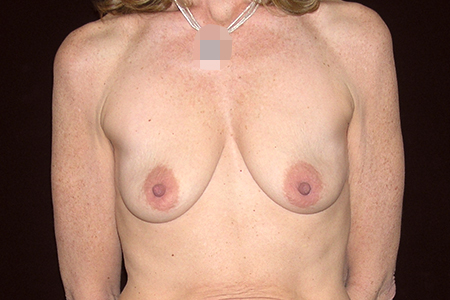
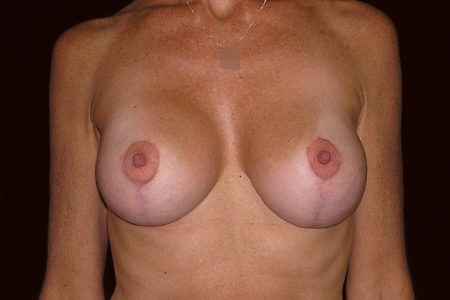
Breast Lift (with Augmentation) Patient 8
This 54-year-old woman (5'9", 135 pounds) was dissatisfied with the loss of volume and increased breast laxity following her pregnancies. She underwent a bilateral full (anchor) breast lift combined with breast augmentation using 400cc Mentor Moderate Plus Profile Memory Gel implants, placed in the submuscular position. The after photos were taken eleven months after her breast lift and augmentation procedure.
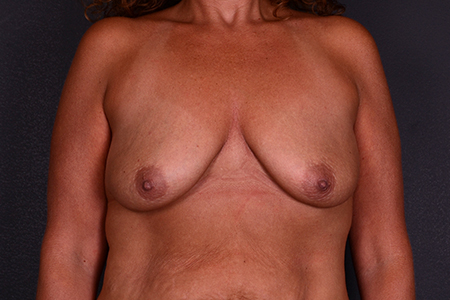
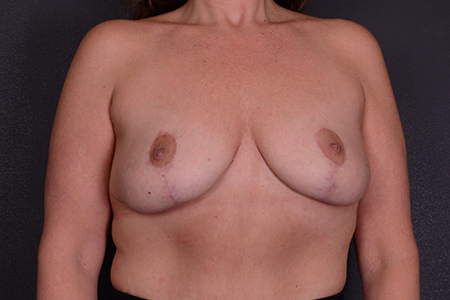
Breast Lift Patient 11
This patient is a 55 year old woman (5'2'', 142 pounds) who was unsatisfied with the breast ptosis ("sagging") she developed after multiple pregnancies and weight loss. She underwent a successful bilateral full (anchor) breast lift (mastopexy) to remove excess skin with no breast tissue removal. Post procedure she was very happy with her results. The after photos were taken seven months after her breast lift procedure.
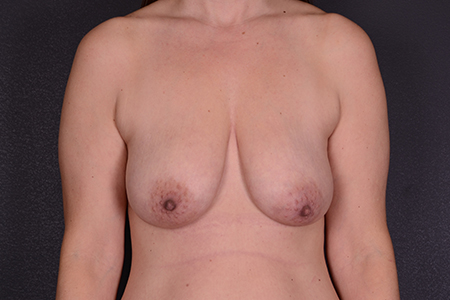
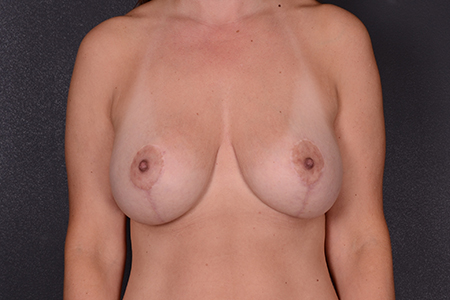
Breast Lift (with Augmentation) Patient 29
This 43-year-old woman (5'6", 144 pounds) was unhappy with the loss of fullness in her C cup breasts after childbirth. She underwent a bilateral full "anchor" breast lift with augmentation using Mentor Smooth Round Moderate-Plus Memory Gel silicone implants, placed in the submuscular position (350cc in both breasts). One year later, she underwent a scar revision procedure to refine the appearance of her scars. The after photos were taken seven months following the scar revision of her breast lift and augmentation.
How Much Does Breast Augmentation Surgery Cost?
The cost of breast lift surgery may vary depending on your individual needs, and if an implant will be used in conjunction with the procedure. The best way to obtain a realistic estimate is to contact our office. We’re happy to answer your questions about price, and schedule your consultation. However, you can also get an idea of cost by visiting our pricing estimator.
We Offer Financing
At the Centre for Plastic Surgery we understand that investing in yourself is a big decision. If financing is a concern, we are happy to help by guiding you to trusted partners with experience in medical lending.
FAQs
Frequently Asked Questions About Breast Lift
Will a breast lift make my breasts bigger?
A breast lift won’t change your cup size, but it can make a big difference in how your breasts look. It raises and reshapes the breasts, removes excess skin, and can lift the nipples and reduce the size of the areolas for a firmer, perkier look. If you’d also like more fullness, a lift can be combined with breast augmentation.
Do I need a breast lift, implants, or both?
It depends on your goals! A lift is the answer for sagging, especially if your nipples sit at or below the breast fold or point downward. Implants add volume and upper-breast fullness but can’t correct significant sagging on their own. Many patients choose both, and your surgeon will help you decide at your consultation.
What type of breast lift will I need?
There are three main techniques, and the right one depends on how much lift you need. A periareolar (Benelli) lift uses one incision around the areola and works well for mild sagging. A vertical (lollipop) lift adds a vertical incision down to the breast fold for moderate sagging and more reshaping. A full (anchor) lift adds an incision along the breast fold to correct the most sagging.
Who is a good candidate for breast lift?
Great candidates are healthy, non-smoking adults who are at a stable weight and want a firmer, more lifted look. If you smoke, you’ll need to quit before surgery, since smoking slows healing. Breast lifts are popular with patients whose breasts have changed after pregnancy, breastfeeding, weight changes or simply time.
Should I wait until after pregnancy or weight loss?
It’s usually best to wait until you’re done having children and have reached a stable weight. Future pregnancies and weight changes can stretch the skin again and change your result. If you’re unsure about your timing, your surgeon is happy to talk through your plans with you.
Is a breast lift safe?
A breast lift is a common, well-established procedure. Like any surgery, it does carry some risks, and we’ll walk you through every one. You’ll be in great hands: a board-certified plastic surgeon performs your procedure in our accredited outpatient facility, with general anesthesia provided by board-certified anesthesiologists.
What are the risks of a breast lift?
We believe informed patients make the best decisions, so here’s an honest look. Risks include complications from anesthesia, bleeding, infection, scarring, slow wound healing, changes in nipple or breast sensation, asymmetry, and the possible need for revision surgery. We’ll go over each one with you before surgery so you feel confident and prepared.
Will I have scars after a breast lift?
Yes, some scarring is expected, and its extent depends on your lift type and your skin. Incisions are placed around the areola and along the natural contours of the breast to keep scars as discreet as possible, and most fade significantly over time. Our scar care guide walks you through how to help them heal as well as possible.
What is recovery like after a breast lift?
Good news: most patients are back to their normal daily activities within one to two weeks. Discomfort is typically mild to moderate for the first few days and is managed with prescription pain medication. You’ll wear a special support garment we provide, and a trusted adult should stay with you for the first 24 to 48 hours. Some swelling and soreness can last a few more weeks, and most patients see their final result within six to twelve months.
Can I breastfeed after a breast lift?
Many women can! In most breast lift techniques, the nipple stays attached to the tissue beneath it, which helps preserve the ability to breastfeed. That said, any breast surgery can affect milk supply or nipple sensation, so let your surgeon know if breastfeeding is in your future.
Can a breast lift fix asymmetry?
A breast lift can help create a more balanced, symmetrical look. Every body is naturally a little asymmetrical, though, so your result will still reflect your unique anatomy. Your surgeon will talk with you about what’s realistic for you.
How long do breast lift results last?
Results are long-lasting, and many patients are happy with them for 10 to 15 years. Your breasts will still change with age, gravity, weight changes and pregnancy. Keeping a stable weight and wearing a supportive bra can help you enjoy your results longer.
How much does a breast lift cost?
Your cost depends on the lift technique and whether you add implants. Try our pricing estimator for a ballpark figure, or contact us for an exact quote. Monthly payment plans are available, too!