


Body Contouring After Weight Loss
in Grand Rapids, MI
Losing a significant amount of weight is a life-changing accomplishment, and we’re so glad you’re here to take the next step. Whether you reached your goal through bariatric surgery, GLP-1 medications, or years of diet and exercise, it’s common to be left with loose, sagging skin that no amount of effort can fix. At the Centre for Plastic Surgery and Pure Skin, our board-certified plastic surgeons specialize in surgical body contouring after weight loss. With procedures like a tummy tuck, arm lift, thigh lift, breast lift, and facelift, we remove excess skin, tighten underlying muscles, and reveal the shape you’ve worked so hard for. And if you’re still on your way to a stable weight, our physician-guided weight management program can help you get there safely.
Why Choose Centre for Plastic Surgery for Body Contouring After Weight Loss?
After significant weight loss, you deserve a plan designed around your body and your goals. Our board-certified plastic surgeons understand how major weight loss changes your skin, muscles, and proportions, and how much those changes can affect your comfort and confidence. Loose skin can lead to rashes and irritation, make clothes fit poorly, and even get in the way of the active life you’ve worked toward. We start by listening to what matters most to you, then create a personalized plan that may focus on one area or several, including the abdomen, arms, thighs, breasts or chest, back, and face. Your care takes place in our accredited surgical facility, with the same welcoming team beside you from your first visit to your final follow-up. And if you’d like help reaching or maintaining a stable weight first, our physician-guided weight management program is right here, so you never have to switch providers along the way.
Your Journey with Us | What to Expect
Your journey begins with a private, unhurried consultation with one of our plastic surgeons. We’ll listen to your story, including how you lost the weight, how long you’ve maintained it, and which areas concern you most. Your surgeon will review your medical history, examine the quality of your skin and underlying tissue, and talk openly about what surgery can and can’t achieve. Together, you’ll build a personalized surgical plan. That may be a single procedure, a combination performed in one surgery, or a staged approach over time for safety and the best possible results. We’ll walk you through preparation, recovery, and what life will look like as you heal. If you’re not quite ready for surgery, we’ll help you map out the path to get there, which may include our physician-guided weight management program.
Understanding Your Timeline
Every body responds to weight loss differently, so your timeline will be uniquely yours. In general, we recommend that your weight be stable for at least three to six months before body contouring surgery. If you had bariatric surgery, such as a gastric sleeve or gastric bypass, this usually means waiting 12 to 18 months after your procedure. A stable weight helps your body heal well and keeps your results looking their best for years to come. Your surgeon may also want your nutrition, especially protein, iron, and vitamin levels, to be in a healthy range before surgery. If you’re losing weight with GLP-1 medications, we’ll talk with you about how those medications fit into your surgical timing. Once you’re ready, recovery typically takes two to six weeks depending on your procedures, and your final results continue to refine over the following months.
The Ideal Candidate for Body Contouring After Weight Loss
You may be a great candidate for body contouring if you’ve lost a significant amount of weight and have kept it off, and you’re bothered by loose skin, sagging tissue, or a loss of shape and firmness. Ideal candidates are generally healthy, don’t smoke or vape (or are willing to stop well before and after surgery), and are committed to maintaining their healthy lifestyle. It also helps to have realistic expectations: surgery can dramatically improve your contour, but it does involve scars, which our surgeons work carefully to place where clothing can conceal them. If you’re still working toward a stable weight, you’re welcome too. We’ll help you plan your next steps, including medical weight management if it’s a good fit.
Our Team
Meet our experts
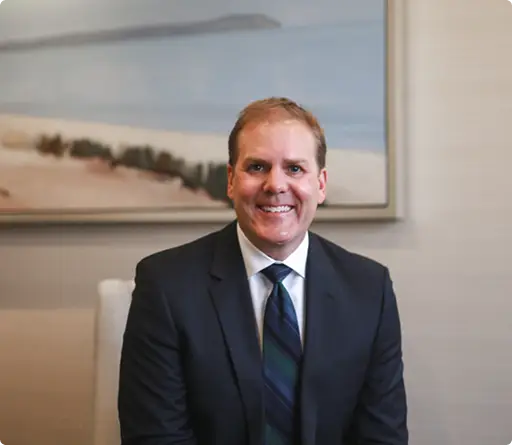
Douglas Leppink, MD
A Board-certified plastic surgeon at the Centre for Plastic Surgery in Grand Rapids, Michigan. At our private practice, he specializes in truly personalized services that are uniquely tailored to the needs and desires of each patient.

Dr. Benjamin Rechner
A board-certified plastic surgeon in West Michigan, combines his unique background of engineering and advanced surgical training to deliver exceptional cosmetic and reconstructive results.
With expertise honed through general surgery, plastic surgery residency, and a pediatric craniofacial fellowship, Dr. Rechner is dedicated to creating beautiful outcomes while teaching future medical professionals as an Assistant Clinical Professor at Michigan State University.
From the blog

Excess Skin Removal | Your Guide to Surgical Solutions
Life has a way of transforming your body—through pregnancy, significant weight changes, the natural progression of aging, or simply the genetics you were born with. You’ve navigated those changes with resilience, and that’s something to celebrate. But sometimes, your skin tells a different story. It can stretch, shift, and settle in ways that no amount of healthy living or dedicated effort can fully address.

From Weight Loss to Body Contouring | How GLP-1 Medications and Plastic Surgery Work Together
Have you ever looked in the mirror and felt that your reflection didn’t quite match the vibrant energy you feel

Healthy Holiday Eating Guide: Top Tips for Nutrition, Movement, and Self-Care
Ah, the holiday season is upon us! It’s a fabulous time for joy, celebration, and, let’s be honest, a lot
FAQs
Frequently Asked Questions About Body Contouring After Weight Loss
What is body contouring after weight loss?
Body contouring after weight loss is a group of plastic surgery procedures that remove excess skin and tissue left behind after significant weight loss. Many procedures also tighten underlying muscles and lift sagging areas. The goal is a smoother, firmer, more proportionate shape that reflects the hard work you’ve put in. Your plan may focus on one area or several, depending on your body and your goals.
What procedures are available after significant weight loss?
The right procedures depend on where your skin and tissue have loosened. Common options include a tummy tuck or panniculectomy for the abdomen; a lower body lift to address the abdomen, hips, outer thighs, and buttocks together; an arm lift for the upper arms; and a thigh lift for the inner thighs. Many women choose a breast lift, with or without implants, to restore volume and position, while men often benefit from chest contouring. A facelift or neck lift can address loose skin on the face and neck, and liposuction can refine stubborn areas. Your surgeon will help you understand which options fit you best.
I lost weight with a GLP-1 medication. Am I a candidate for surgery?
Yes, many of our body contouring patients lost weight with GLP-1 medications such as semaglutide or tirzepatide. Rapid weight loss can leave skin with less time to adjust, so loose skin on the face, abdomen, arms, and thighs is common. What matters most is that your weight has stabilized and you’re in good overall health. We’ll review your medication, your weight history, and your goals to help you decide when surgery makes sense.
Do I need to stop my GLP-1 medication before surgery?
Yes. Most body contouring procedures are performed under general anesthesia, and because GLP-1 medications slow digestion, they can make anesthesia less safe. For that reason, patients need to stop their GLP-1 medication one to two weeks before surgery. Please don’t stop or change any medication on your own, though. Our team will give you clear, personalized instructions on exactly when to pause and when it’s safe to resume. To learn more, read Dr. Leppink’s guide to medications to avoid before plastic surgery.
Can I have body contouring after bariatric surgery?
Absolutely, and many of our patients do. Most people are ready about 12 to 18 months after gastric sleeve or gastric bypass surgery, once their weight has been stable for several months. Because bariatric surgery can affect how your body absorbs nutrients, we may ask for recent lab work to make sure you’re well nourished and ready to heal. We’re happy to coordinate with your bariatric team.
When is the right time to consider body contouring after weight loss?
Timing is different for everyone. In general, we recommend that your weight be stable for at least three to six months before surgery, so your results are lasting and your body is ready to heal. If you’ve recently lost weight or are still on a medically guided program, we’ll help you figure out when the timing is right for you.
What if I haven't reached my goal weight yet?
We encourage patients to be at or near a stable, healthy weight before surgery, and we understand that getting there is a journey. If you’re not quite at your goal, we’re happy to talk through your options, discuss what timing might look like for you, and explore whether our medically guided weight management program could help. There’s no pressure, just an honest conversation focused on your safety and the best possible results.
Is cosmetic surgery after weight loss safe, and what should I expect during recovery?
Body contouring after significant weight loss is generally safe when performed by a board-certified plastic surgeon on the right candidate at the right time. Your health history, the extent of your procedures, and your nutrition all play a role. Most patients return to light activity within two weeks and to more strenuous activity in about six weeks, though recovery varies by procedure. During your consultation, we’ll review your health, discuss realistic expectations and recovery timelines, and share steps you can take beforehand to support a smooth healing process.
Do most patients need more than one procedure after significant weight loss?
This is deeply personal and varies from patient to patient. Some people achieve their goals with a single procedure; others choose to address multiple areas over time. Our role is to help you understand your options clearly and build a plan that fits your body, your goals, and your life. You’ll never feel rushed or pressured into more than you’re ready for.
Can I combine several procedures into one surgery?
Sometimes, and it really depends on you. Combining procedures can mean one recovery period instead of several. Whether combining is right for you depends on how much correction you need, and whether bringing procedures together is safe and allows for a comfortable, manageable recovery. For some patients, a single combined surgery is a great fit; for others, staging procedures over time is the safer, more comfortable path. Your surgeon will talk through both options with you and recommend the approach that’s safest for your body and your life.
What's the difference between a tummy tuck and a panniculectomy, and does insurance cover either?
A panniculectomy removes the overhanging apron of skin and tissue from the lower abdomen. A tummy tuck also removes excess skin, but it tightens the abdominal muscles and reshapes the waistline for a more contoured result. When the overhanging skin causes documented medical problems, such as recurring rashes or infections, insurance may cover part or all of a panniculectomy. Cosmetic procedures like a tummy tuck are generally not covered. We’ll help you understand your options during your consultation.
Will I have scars?
Removing excess skin does require incisions, so scars are a part of body contouring. Our surgeons plan incisions carefully so scars sit in natural creases or where clothing and swimwear can conceal them. Scars typically fade and flatten over 12 to 18 months, and we’ll share scar care tips to help them heal as well as possible. Most patients tell us that trading loose skin for a well-placed scar is well worth it.
Will my results last?
The skin and tissue we remove won’t come back, so your results can be long lasting. Keeping your weight stable is the most important thing you can do to protect them. Natural aging will continue, and significant weight gain or pregnancy can change your results, which is one more reason we recommend waiting until your weight has stabilized.
How much does body contouring cost, and do you offer payment plans?
Cost depends on which procedures you choose, how many areas are treated, and whether they’re combined into one surgery. Our pricing tool gives you a helpful starting estimate for each procedure. The best way to understand your full cost, though, is a consultation, where you’ll receive a detailed, personalized quote for your plan. We also offer flexible payment plans to help your care fit comfortably within your budget.
How do I prepare for a body contouring consultation?
Coming prepared helps us make the most of your time together. It helps to know your highest weight, your current weight, and how long you’ve maintained it, along with how you lost the weight. Please bring a list of your current medications and supplements, any prior surgeries (including bariatric surgery), and recent lab results if you have them. Photos or notes about the areas that concern you most are helpful too. Most importantly, bring your questions; this is your time, and we want you to leave feeling informed and supported.