


Rhinoplasty
in Grand Rapids, MI
Your nose sits right at the center of your face, so even a small change can make a big difference in how you look, feel and breathe. Rhinoplasty, often called a nose job, reshapes the nose to bring it into better balance with your other features. It can refine the bridge, tip or nostrils, straighten a crooked nose, or adjust its size and angle.
Nose surgery isn’t only about appearance. When a deviated septum or an old injury makes it hard to breathe, a septoplasty can open up your airway, either on its own or combined with rhinoplasty. Whatever brings you in, our board-certified plastic surgeons will listen to your goals and create a plan that’s right for you.
Why Consider Nose Surgery
People choose nose surgery for many reasons, and they’re all valid. Cosmetically, rhinoplasty can smooth a bump on the bridge, refine a wide or rounded tip, narrow the nostrils, or straighten a nose that leans to one side. The result is a more balanced, harmonious face, and often a real boost in confidence.
Functionally, nose surgery can help you breathe easier. A deviated septum, a past injury, or changes after an accident or cancer treatment can block airflow and cause congestion, snoring or frequent sinus trouble. Correcting these structural issues can make a noticeable difference in your sleep, your workouts and your everyday comfort.
What to Expect with Nose Surgery
Most nose surgeries are performed right here in our accredited surgical facility, so you can stay with the same familiar team from consultation through recovery. In some cases, depending on your insurance, your procedure may take place at a local hospital instead. We’ll let you know where your surgery will happen as we plan it together.
On the day of surgery, you’ll be comfortably asleep under general anesthesia. Depending on your plan, your surgeon will work through small incisions inside the nose, sometimes with one tiny incision across the columella, the strip of skin between your nostrils. From there, bone and cartilage can be reshaped, reduced or added to. If you’re having a septoplasty, the septum is straightened at the same time.
When you wake up, you’ll have a small splint on the outside of your nose, and possibly soft splints or packing inside, to support your nose as it begins to heal. Most patients go home the same day with a trusted friend or family member. Plan to rest and skip strenuous activity for several weeks.
Types of Nose Surgery
Closed Rhinoplasty
In a closed rhinoplasty, every incision is made inside the nose, so there are no visible scars. Because the surgeon works through a smaller opening, this approach is best for more modest changes. The upside is less swelling and bruising and a quicker recovery.
Open Rhinoplasty
An open rhinoplasty uses the same incisions inside the nose, plus one small incision across the columella. This gives your surgeon a clear view of the underlying structure, which makes it the preferred choice for more detailed reshaping, tip work or complex cases. Swelling and bruising are a bit greater and recovery takes a little longer, and the tiny scar typically fades to be barely noticeable.
Septoplasty
The septum is the thin wall of cartilage and bone that divides your nose into two sides. When it’s bent or off-center, called a deviated septum, it can narrow one or both airways. You might notice a stuffy nose that never quite clears, trouble breathing through one side, snoring, nosebleeds or frequent sinus infections.
A septoplasty straightens the septum to open up airflow. It’s done entirely through incisions inside the nose, so on its own it doesn’t change how your nose looks on the outside. Many patients choose to pair it with rhinoplasty, called a septorhinoplasty, to improve both breathing and appearance in a single surgery and recovery. Because septoplasty treats a medical problem, insurance may cover some or all of it.
Nose Surgery Recovery
Recovery is a gradual process, and we’ll be with you every step of the way. Any packing and your external splint are usually removed at your follow-up visit about a week after surgery. Most of the swelling and bruising settles within one to two weeks, which is when most patients feel ready to return to work and light activities. Patients who have a septoplasty alone often bounce back a little faster.
Keeping your head elevated, using cool compresses and following your aftercare instructions will help you heal comfortably. Hold off on strenuous exercise, contact sports and wearing glasses on the bridge of your nose until your surgeon gives you the all-clear.
Your nose will keep refining for up to a year. It’s normal for mild swelling to come and go during that time, especially in the morning and around the tip. Be patient — your final result is worth the wait.
Ideal Candidate for Nose Surgery
You may be a great candidate for nose surgery if you:
- Are in good overall health
- Are 18 or older, so your nose has finished growing
- Don’t smoke, or are willing to quit before and after surgery
- Have clear, realistic goals for how you’d like your nose to look or function
During your consultation, one of our board-certified plastic surgeons will review your health history, examine your nose inside and out, and talk through what you’d like to change. Together, you’ll decide whether rhinoplasty, septoplasty or a combination is the best fit.
Because the results of nose surgery are permanent, choosing an experienced surgeon matters. Our team has performed rhinoplasty and septoplasty for patients across West Michigan for many years, and we’d love to help you feel confident in your choice. Schedule a consultation to get started.
Not ready for surgery? A non-surgical nose job with injectable fillers can smooth bumps and refine your profile with little to no downtime.
Rhinoplasty in Grand Rapids, MI | Centre for Plastic Surgery
Before & After
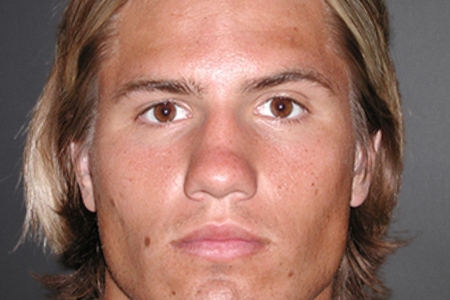
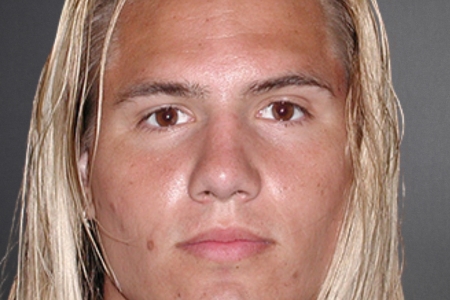
Nose Reshaping Patient 2
This 20-year-old man sustained injuries to his nose and underwent rhinoplasty (nose reshaping) to address his concerns. The procedure included a slight reduction of the dorsum, a small cartilage graft to correct an indentation, and refinement of the bulbous tip. His post-operative results reveal a smooth, small dorsum without indentations and a refined, smaller tip. The after photos, taken 14 months post-surgery, showcase his progress.
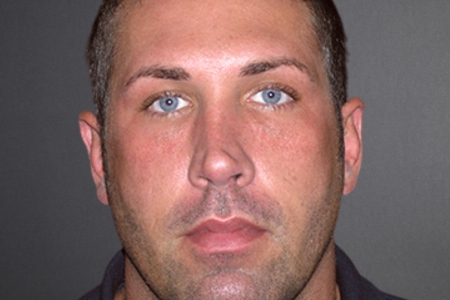
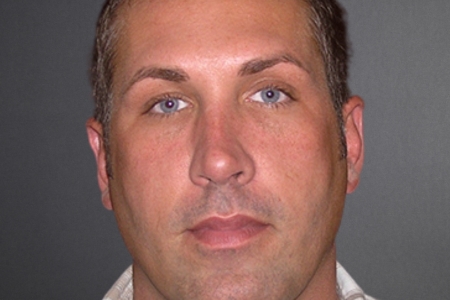
Nose Reshaping Patient 5
This 23-year-old man was concerned about a crooked nose and breathing difficulties. He underwent a septoplasty and rhinoplasty (nose reshaping) surgery with cartilage grafting to both sides of his nasal tip to soften its harsh and pinched appearance. During the same procedure, a chin implant (mentoplasty) was placed to better define his jawline and balance his profile. The after photos, taken 14 months post-surgery, showcase his progress.
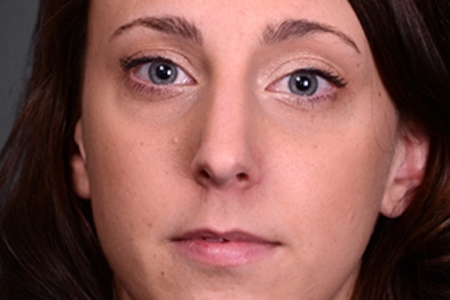
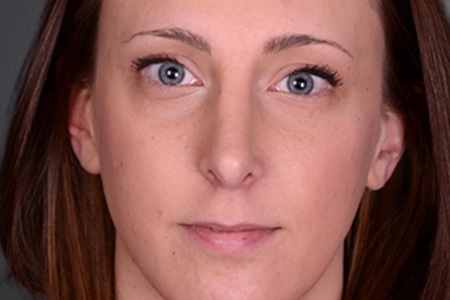
Nose Reshaping Patient 12
This 27-year-old woman was dissatisfied with her profile and chose to undergo nose reshaping (rhinoplasty) surgery, which included dorsal reduction, along with a chin implant (mentoplasty) to enhance facial balance between her nose and chin. The after photos, taken 14 months post-surgery, showcase her progress.
How Much Does Nose Surgery Cost?
Every nose is unique, so every surgical plan is too. That means we can’t quote an exact price online, but we’re happy to give you a ballpark estimate based on what patients typically pay. Your final cost depends on the type of surgery, its complexity, and where it’s performed.
Most nose reshaping is cosmetic, so it isn’t covered by insurance. However, if your surgery is needed to repair an injury or improve your breathing, insurance may cover all or part of it. We’ll talk through your options at your consultation.
Questions About Monthly Payment Plans?
We want cost to be one less thing to worry about. Our trusted financing partners specialize in medical lending and offer flexible payment plans. Click to learn more.
FAQs
Frequently Asked Questions About Nose Surgery
Can I combine rhinoplasty with septoplasty or other procedures?
Yes, and many of our patients do. Rhinoplasty refines the shape of your nose, while septoplasty straightens the septum inside to help you breathe more easily. Combining them, called a septorhinoplasty, means one anesthetic, one recovery, and an improvement in both form and function. Some patients also add a chin implant to better balance their profile. Your surgeon will help you decide what makes sense for your goals
What is the difference between rhinoplasty and septoplasty?
Rhinoplasty changes the size, shape, or angle of your nose, most often for cosmetic reasons. Septoplasty corrects a deviated septum, the wall of cartilage and bone that divides your nostrils, to open up your airway. On its own, septoplasty doesn’t change how your nose looks on the outside. We’ll recommend the right approach after examining your nose inside and out.
Where will my nose surgery take place?
Most nose surgeries are performed in our accredited surgical facility right here at our Grand Rapids office. Depending on your insurance, some procedures may need to be done at a hospital instead. We’ll confirm the location with you while planning your surgery.
How should I prepare for nose surgery?
If you smoke, you’ll need to stop well before and after surgery, since smoking slows healing. We’ll review your medications and supplements, as some, like aspirin and certain herbal products, can increase bleeding. Plan for a trusted adult to drive you home and stay with you the first night. We’ll give you a complete, personalized checklist at your pre-operative visit.
Does nose surgery hurt?
Your comfort is a priority. You’ll be asleep under general anesthesia, so you won’t feel anything during surgery. Afterward, most patients describe pressure and congestion, like a bad head cold, more than pain. It’s usually well controlled with rest, cool compresses, keeping your head elevated, and medication if needed.
Is nose surgery safe?
When it’s performed by a qualified, experienced surgeon on a healthy patient, yes. Rhinoplasty is one of the most detailed procedures in facial plastic surgery, so the training and judgment of your surgeon matter. At the Centre for Plastic Surgery, your procedure is planned and performed by board-certified plastic surgeons in our accredited surgical facility.
What are the risks of nose surgery?
Complications are uncommon, but it’s important to know about them. They include:
- Reaction to anesthesia
- Bleeding or nosebleeds
- Infection
- Numbness or pain
- Difficulty breathing through the nose
- A small hole in the septum (septal perforation), which may require another procedure
- Poor healing, skin discoloration, or scarring
- The need for a minor revision once healing is complete
Carefully following your pre- and post-operative instructions helps reduce these risks. We’ll review them in detail at your consultation.
Will I have visible scars?
With a closed rhinoplasty or septoplasty, all incisions are inside the nose, so there are no visible scars. An open rhinoplasty leaves a tiny scar across the base of the nose between the nostrils, which usually fades to be barely noticeable.
How long is recovery and when can I go back to work?
Expect swelling and bruising around your nose and eyes for the first week or two. Your splint and any packing are usually removed about a week after surgery. Most patients return to work and social activities within about 1 to 2 weeks, and patients having a septoplasty alone often recover a little sooner. Plan to avoid strenuous exercise for several weeks, until your surgeon gives you the all-clear.
How soon will I see results?
You’ll get your first look at your new nose when the splint comes off, and it will continue to improve as swelling goes down over the next few weeks. Subtle swelling, especially at the tip, can take up to a year to fully resolve, so your final shape will keep refining over time. If you had a septoplasty, many patients notice easier breathing once the internal swelling settles.
How long do results last?
The results of nose surgery are permanent. Your nose will still age naturally along with the rest of your face, but its new shape will stay with you. That’s why it’s so important to choose a surgeon you trust and to have a clear understanding of what to expect.
Is nose surgery covered by insurance?
It depends on why you’re having it. Cosmetic rhinoplasty isn’t covered by insurance. If your surgery is needed to fix an injury or improve your breathing, such as a septoplasty for a deviated septum, insurance may cover all or part of it. We recommend checking your specific benefits with your insurance provider, and we’re happy to talk it through with you at your consultation.
What is the best time of year for nose surgery?
Many patients choose fall and winter, when schedules slow down and it’s easier to take time off while swelling fades. It’s also easier to avoid sun exposure and outdoor sports during recovery. That said, nose surgery can be done any time of year that fits your schedule.